
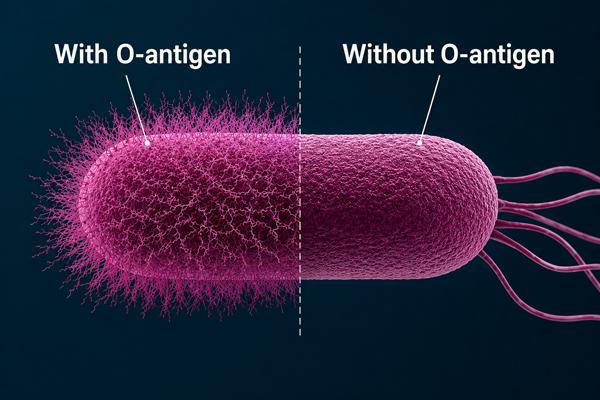
A new study from Duke University School of Medicine has uncovered a surprising adaptation in Escherichia coli that may help explain why some bloodstream infections become especially severe, despite the bacteria appearing less virulent in laboratory experiments.

The findings, published on July 1 in Science Advances could reshape understanding of bacterial immune evasion and inform future vaccine development, said corresponding author Joshua B. Parsons, MD, PhD, assistant professor of Medicine in the Division of Infectious Diseases.
“This work sheds light on why some patients experience disproportionately severe disease following E. coli bloodstream infection,” Parsons said. “It also highlights that the outcome of infection is determined not only by the bacteria, but by the complex interplay between the pathogen and the host immune response."
E. coli is the leading cause of bloodstream infections, which carry a mortality rate of nearly 20%. Duke researchers analyzed bacterial samples from patients with recurrent bloodstream infections and found that many had acquired mutations in a gene called wbbL, disrupting production of the bacterium's protective O-antigen surface coating.
In laboratory studies, the altered bacteria were more vulnerable to human serum and caused milder disease in mice. But the clinical findings revealed a striking paradox. Among 61 bloodstream infections caused by the globally prevalent ST131 strain of E. coli, nearly one in five carried wbbL mutations, and patients infected with these strains were significantly more likely to develop septic shock or die during hospitalization.
Using a mouse model that mimicked recurrent infection, the researchers found that bacteria lacking the O-antigen could partially evade immune protection generated by previous exposure to normal E. coli. Although intrinsically less virulent, the mutant strains were better able to escape adaptive immune responses, allowing them to persist in hosts with pre-existing immunity.
The findings suggest that loss of the O-antigen is not simply a weakness but may be an evolutionary strategy that helps E. coli evade immune defenses. The work also raises questions about O-antigen-based vaccines, as some invasive strains no longer produce a functional version of this important surface molecule, Parsons said.