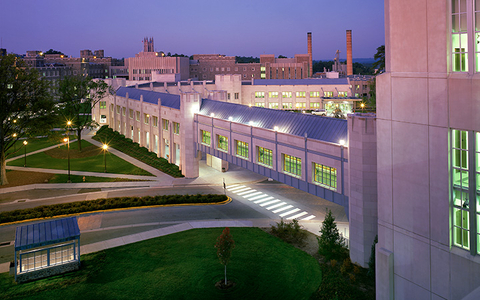
Duke Division of Nephology offers a clinic specialized for patient with a variety of glomerular disorders
Patients with glomerulonephritis, including focal segmental glomerulosclerosis, lupus nephritis, ANCA-associated vasculitis, IgA nephropathy, membranous nephropathy, minimal change disease, thrombotic microangiopathy, and complement-mediated disorders such as C3 glomerulopathy, require comprehensive, longitudinal care aimed at controlling disease activity, preserving kidney function, and minimizing complications. These conditions are often chronic and relapsing, with variable clinical trajectories that necessitate individualized and evolving treatment strategies.
Patients commonly present with proteinuria, hematuria, hypertension, edema, and acute kidney injury, all of which should prompt evaluation for an underlying glomerular disorder. Establishing a definitive diagnosis typically requires a kidney biopsy, which provides essential information regarding histopathology, disease activity, and chronicity, and directly informs treatment selection. Our program is supported by dedicated, in-house nephropathologists with expertise in the interpretation of complex glomerular and complement-mediated diseases, allowing for timely, precise diagnoses and close clinicopathologic correlation that is critical to optimal patient care.
The therapeutic landscape is rapidly evolving with the availability of more targeted and disease-specific therapies. In addition, patients within our program have access to participation in randomized controlled trials, providing opportunities to receive novel therapies while contributing to the advancement of the field.
A key strength of our program is expertise in kidney genetics and precision medicine, including comprehensive evaluation of patients with suspected hereditary or genetically mediated kidney disease. This includes testing and counseling for APOL1-associated kidney disease, as well as broader genetic panels for glomerular and complement disorders. Integration of genetic information into clinical care allows for improved diagnostic accuracy, more personalized risk stratification, and increasingly tailored therapeutic decision-making. Fellows gain direct experience in incorporating genetic testing into routine practice and understanding its implications for patients and families.
Ongoing management is highly dynamic and includes frequent assessment of kidney function, proteinuria, and disease-specific biomarkers through blood and urine testing. Patients require close outpatient follow-up to evaluate treatment response, detect relapse, and monitor for therapy-related adverse effects, including infections, metabolic complications, and drug toxicity. Many patients require repeated visits over time to adjust treatment regimens and coordinate multidisciplinary care.
This work is grounded in the tripartite mission of our division: excellence in clinical care, innovation in research, and a strong commitment to education. The fellowship program is deeply integrated into all aspects of this mission, with fellows actively participating in the care of patients with complex glomerular diseases, engaging in clinical and translational research, and receiving dedicated teaching in nephropathology, immunology, genetics, and therapeutics. This environment ensures a comprehensive training experience while advancing the field and delivering the highest quality care to patients.
The Duke Glomerulonephritis Clinic provides a more convenient and centralized setting to comprehensively manage patients’ complicated condition associated with glomerulonephritis.
Our goal is to localize the care of glomerular diseases. Referred patients with symptoms concerning new onset or recurrent glomerulonephritis can receive prompt testing and continue care at our clinic. By creating a dedicated clinic, we think it is possible to respond quickly to medical challenges occurring during the treatments and to develop a personalized treatment plan for each patient.
In the Duke Glomerulonephritis Clinic, we see patients with
- suspected new-onset glomerulonephritis with proteinuria, hematuria, hypertension, edema, and/or acute kidney injury, who need prompt testing for their diagnosis
- glomerulonephritis who need long-term care
- existing glomerulonephritis relapse
The Duke Glomerulonephritis Clinic is conducting clinical trials and multicenter registries to improve the health of glomerulonephritis patients. We believe that this will help advance new glomerulonephritis treatments by blending Duke’s high-quality personalized patient care with innovative laboratory investigation revealing molecular mechanisms of glomerulonephritis.

Harpreet Singh, MD
Duke Glomerulonephritis Clinic Lead
Pamela Vasquez, MD
Duke Glomerulonephritis Clinic Nephrologist
Alessandra Tomasi, MD
Duke Glomerulonephritis Clinic Nephrologist
Matthew A. Sparks, MD
Duke Glomerulonephritis Clinic Nephrologist
Pathology Support from David Howell, MD, PhD, Laura Barisoni, MD, and Bangchen Wang, MD, PhD
Contact Information
New patients: Please call 919-660-6860 to schedule an appointment. Please include GN Clinic in referrals.
Patients can be seen on a variety of days throughout the week